Biex tiddetermina jekk il-batterija tiegħek 24V 50Ah LiFePO4 hijiex kompatibbli mal-inverter tiegħek, għandek tevalwa sistematikament diversi fatturi ewlenin u twettaq testijiet prattiċi. Hawnhekk hawn gwida pass pass ibbażata fuq ir-riżultati tat-tfittxija:
🔧 1. Iċċekkja l-Kompatibbiltà tal-Vultaġġ
-
Kun żgur li l-firxa tal-vultaġġ tad-dħul tal-inverter taqbel mal-vultaġġ nominali tal-batterija (24V) u l-firxa operattiva tagħha (tipikament 20V sa 29.2V għal LiFePO4) .
-
Il-batteriji LiFePO4 għandhom vultaġġ ogħla ta 'ċċarġjar (madwar 28.8V–29.2V) meta mqabbla maċ-ċomb-aċidu (25.7V). Ivverifika li l-inverter jista 'jimmaniġġja din il-medda mingħajr ma jikkawża għeluq ta' vultaġġ żejjed .


⚡ 2. Evalwa r-Rekwiżiti ta' Kapaċità u Enerġija
-
Ikkalkula d-domanda għall-enerġija: Batterija 24V 50Ah tipprovdi madwar 1280Wh ta 'enerġija. Żgura l-klassifikazzjoni tal-qawwa tal-inverter (f'watts) tallinja mar-rekwiżiti tat-tagħbija tiegħek, meta wieħed iqis il-qawwa ta' żieda qawwija għal apparati bħal muturi .
-
Il-kurrent kontinwu tal-iskarigu tal-inverter m'għandux jaqbeż il-limitu tal-BMS tal-batterija (E.g., 50A għal batterija tipika ta '50Ah) .
🔌 3. Irrevedi l-Kompatibbiltà tal-Profil tal-Iċċarġjar
-
Jekk l-inverter għandu charger integrat, għandu jappoġġja l-parametri tal-iċċarġjar LiFePO4:
-
Vultaġġ Bulk/Assorbiment: ~ 28.8V .
-
Vultaġġ float: ~ 27.2V jew inqas .
-
Iċċarġjar kurrenti: Idealment 0.2C (10A għal batterija 50Ah) .
-
-
Evita li tuża profili tal-iċċarġjar taċ-ċomb-aċidu, peress li l-iċċarġjar eċċessiv jista 'jagħmel ħsara lill-batteriji LiFePO4 .
📟 4. Evalwa BMS u Protokolli ta 'Komunikazzjoni
-
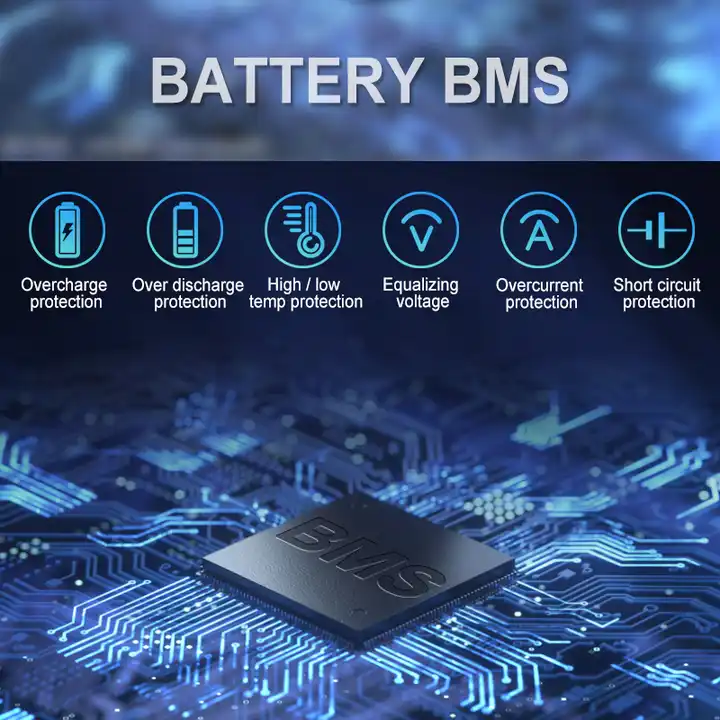
Żgura l-BMS tal-batterija (E.g., vultaġġ żejjed, taħt vultaġġ, protezzjoni tat-temperatura) huwa funzjonali u li l-inverter jista 'jikkomunika miegħu jekk appoġġjat (E.g., permezz CAN jew RS485) .
-
Xi invertituri jeħtieġu komunikazzjoni b'ċirku magħluq għal prestazzjoni ottimali .
🔎 5. Kontrolli Fiżiċi u ta' Sigurtà
-
Uża kejbils ta' daqs xieraq (E.g., 6AWG għal applikazzjonijiet ta 'kurrent għoli) biex timminimizza l-waqgħa tal-vultaġġ u s-sħana żejda .
-
Installa fjus jew DC breaker bejn il-batterija u l-inverter għall-protezzjoni .
-
Żgura ert u ventilazzjoni xierqa .
🧪 6. Passi tal-Ittestjar Prattiku
-
Test bla tagħbija: Qabbad il-batterija mal-inverter mingħajr ebda tagħbija. Iċċekkja jekk l-inverter jixgħelx u jkejjel il-vultaġġ tad-dħul b'mod korrett .
-
Test tat-Tagħbija: Gradwalment żid it-tagħbija (E.g., minn 500W għal 1500W) filwaqt li tissorvelja l-istabbiltà tal-vultaġġ u l-prestazzjoni tal-inverter. Żgura li l-batterija ma tiskattax protezzjoni BMS minħabba kurrent għoli .
-
Test tal-Iċċarġjar (jekk applikabbli): Jekk l-inverter għandu ċarġer, test b'batterija parzjali skarikata. Immonitorja l-vultaġġ u l-kurrent tal-iċċarġjar biex tiżgura li jallinjaw mar-rekwiżiti ta 'LiFePO4 .
-
Monitoraġġ tat-Temperatura: Iċċekkja għal sħana żejda kemm fil-batterija kif ukoll fl-inverter waqt it-tħaddim .
⚠️ 7. Kwistjonijiet ta' Kompatibbiltà Komuni
-
Qtugħ tal-Vultaġġ Baxx (LVCO): Aġġusta l-LVCO tal-inverter għal ~ 24.8V (3.1V għal kull ċellola) biex jipprevjenu għeluq prematur .
-
Iċċarġjar mhux taqbel: Jekk l-inverter ma jistax jiġi pprogrammat mill-ġdid għal LiFePO4, uża ċarġer estern kompatibbli .
-
Skonnettjar tal-BMS: Xi invertituri jistgħu jinterpretaw ħażin il-protezzjonijiet tal-BMS bħala ħsarat. Test taħt diversi kundizzjonijiet ta 'tagħbija .
📊 Tabella Sommarja għal Referenza Mgħaġġla:
| Fattur | Rekwiżit għall-Kompatibbiltà | Metodu tat-Test |
|---|---|---|
| Medda ta 'Vultaġġ | Inverter jaċċetta input 20V–29.2V DC | Kejjel il-vultaġġ fit-terminali tal-inverter b'multimeter. |
| Profil tal-Iċċarġjar | Jappoġġja settings LiFePO4 (28.8V assorbiment, 27.2V float) | Iċċekkja l-issettjar tal-inverter; jimmonitorja l-iċċarġjar b'voltmetru. |
| Protezzjoni BMS | L-inverter ma jegħlebx il-protezzjonijiet tal-BMS (E.g., qtugħ tal-iċċarġjar f'temperatura baxxa) | Test f'ambjenti kesħin; jivverifika l-BMS triggers. |
| Immaniġġjar kurrenti | It-tlugħ tal-inverter ≤50A kontinwu; żieda fil-limiti tal-batterija | Applika tagħbijiet inkrementali waqt li timmonitorja l-kurrent. |
| Komunikazzjoni | Kompatibilità ta 'ċirku magħluq jekk appoġġjata (E.g., CAN xarabank) | Irrevedi l-manwal tal-inverter; ittestja l-konnettività tal-komunikazzjoni. |
💡 Konklużjoni:
Il-kompatibbiltà tiddependi ħafna fuq il-programmabbiltà u d-disinn tal-inverter. Jekk l-inverter tiegħek m'għandux settings speċifiċi għal LiFePO4 (E.g., mudelli eqdem), tikkunsidra li tuża kontrollur ta 'ċarġ estern jew taġġorna għal inverter kompatibbli . Dejjem irreferi kemm għall-manwali tal-batterija kif ukoll tal-inverter għal speċifikazzjonijiet dettaljati. Jekk l-inċertezzi jippersistu, ikkonsulta manifatturi jew forums tal-enerġija solari għal pariri speċifiċi għall-mudell .