
에 의해 2026, 글로벌 전기차 (EV) 침투가 중요한 전환점을 넘었습니다.. 유럽 및 Tier 1 중국 도시의 그리드 용량 제약이 점점 더 뚜렷해짐에 따라, 고정 충전 파일의 한계로 인해 “모바일 충전” 부문. 그만큼 25.6V 300Ah 리튬철인산염 (LFP) 배터리, 독특한 비용 곡선과 안전 프로필을 갖춘, 가장 중요한 요소로 떠올랐습니다. “모듈러 유닛” 이 분야에서.
나. 기술적 기반 논리: 에너지 밀도와 전압 플랫폼 사이의 줄다리기
1.1 그만큼 “황금비율” 에너지 및 물리적 사양
이 배터리 사양의 정격 에너지는 7.68 kWh. 아래에 2026 CTP (셀투팩) 기술, 총 단위 중량은 다음과 같이 감소되었습니다. 55kg~70kg. 이 체중 범위는 전략적으로 중요합니다.: 그것은 사이의 완벽한 균형에 자리 잡고 있습니다 “경량 이동성” 그리고 “안정적인 범위.” 완전 충전에는 부족하지만, 그것은 제공합니다 “황금 구조 거리” ~의 40-50km 이내에 15 분 - 도시 교통의 생명의 은인.
1.2 저전압 변환 문제: SiC의 필요성 (실리콘 카바이드)
25.6V 저전압 시스템으로, 주류 400V/800V EV 아키텍처에 비해 자연스러운 전압 격차에 직면해 있습니다..
-
기존의 문제점: 대규모 부스트 비율로 인해 변환 중에 심각한 열 스파이크가 발생함, 일반적으로 이상의 결과를 초래합니다. 15% 효율성 손실.
-
2026 해결책: 통합 실리콘 카바이드 (SiC) 고주파 부스트 모듈 이제 필수입니다. SiC 모듈은 변환 효율을 이상으로 높입니다. 92%. 대략적으로 추가되지만 12% 선불 하드웨어 비용, 이에 따른 효율성과 소형화는 이동국 상용화의 전제조건입니다..
II. 시장 경쟁: LFP가 여전히 최고의 선택인 이유?
2.1 엄격하게 통제되는 LCOE (균등화된 에너지 비용)
~ 안에 2026, 전고체 배터리가 프리미엄 틈새 시장에 진입하기 시작하는 동안, LFP는 여전히 명령을 내리고 있습니다. 70% 스토리지 시장의.
-
공급망 성숙도: 25.6V 300Ah 사양은 표준화된 업계 벤치마크가 되었습니다., 대규모 조달 레버리지 부여.
-
경제적 이점: NCM에 비해 (니켈 코발트 망간) 배터리, LFP의 Wh당 비용은 대략 다음과 같습니다. 25% 낮추다. 회전율이 높은 모바일 충전 모델, 투자 수익 (ROI) 6~8개월 정도 기간 단축 가능.
2.2 2026 EU 배터리 규정 및 ESG 규정 준수
전면 시행으로 EU 배터리 규정 (2023/1542) ~에 2026, 그만큼 배터리 여권 필수 입장권이 되었습니다.
-
친환경 프로필: LFP에는 코발트나 니켈이 포함되어 있지 않습니다.. 우수한 탄소발자국 추적 데이터는 엄격한 ESG를 충족합니다. (환경, 사회의, 및 거버넌스) 유럽의 감사 표준, 글로벌 브랜드 확장을 위한 합법적 길을 개척하다.
III. 심층 시나리오 침투: 응급 상황에서 서비스 지향으로
3.1 자율 이동 로봇 (AMR): 그만큼 “배달 라이더” 차고의
이번 배터리 스펙의 핵심 전장이다.
-
문제 해결: CBD 지하 차고의 전력 용량 확장은 엄청나게 비쌉니다..
-
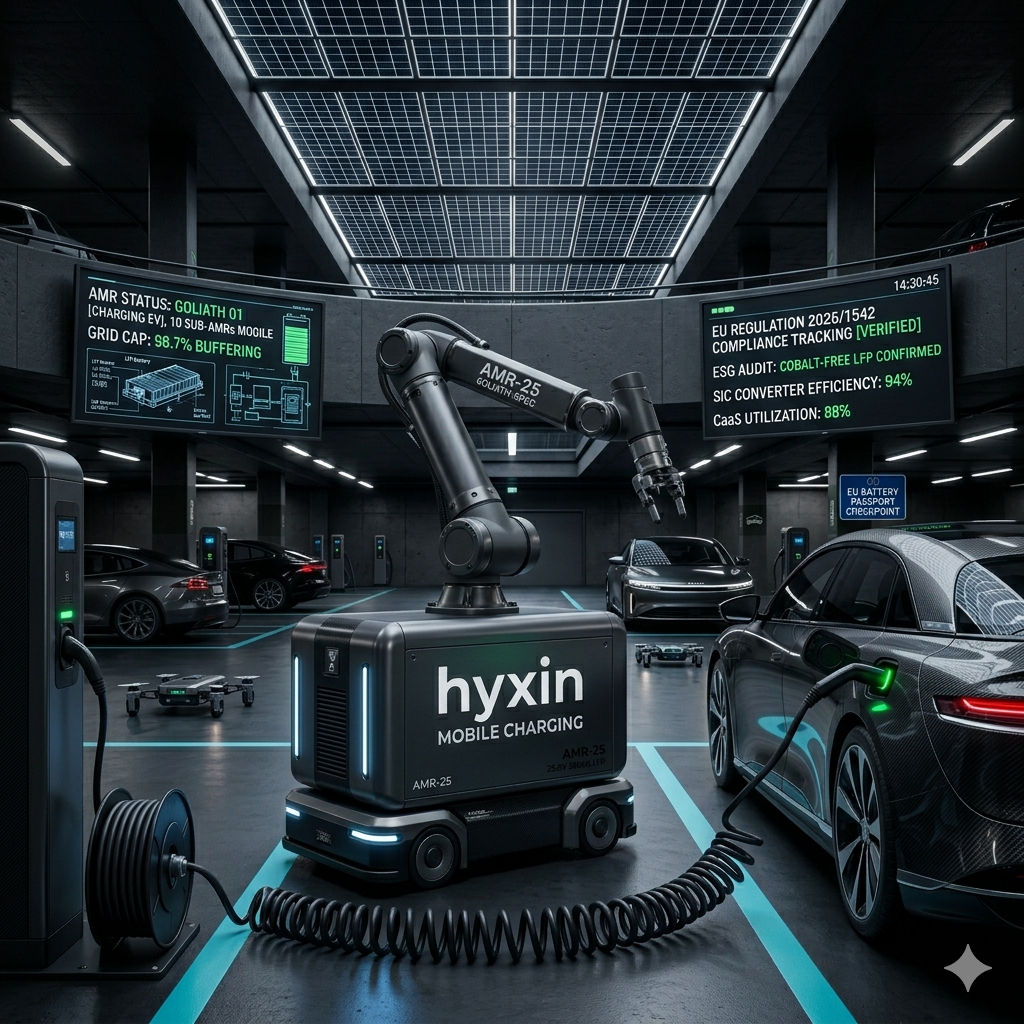
운영 모델: 25.6V 300Ah 모듈이 장착된 AMR은 사용량이 적은 시간 동안 표준 콘센트를 통해 자체 충전되며 사용량이 많은 시간에는 차고를 순항합니다.. 그들의 콤팩트한 1:1 좁은 주차 공간에서도 민첩성을 보장하는 디자인.
3.2 그만큼 “마지막 10%” 길가 지원
고속도로나 극한의 겨울 날씨에서 EV가 고장 나면 심각한 도시 정체가 발생합니다..
-
구조 키트 폼 팩터: 이 배터리 모듈을 견고한 구조로 캡슐화, 휴대용 케이스는 길가 지원 차량의 표준 도구입니다.. 단순한 충전기 그 이상입니다.; 그것은 다음과 같은 역할을 한다. “점프 스타터” 전자 핸드 브레이크를 해제하거나 심방전으로 인해 어두워진 대시보드에 전원을 공급하기 위해.
IV. 위험 평가 및 완화
밝은 전망에도 불구하고, 이 솔루션은 두 가지 문제를 해결해야 합니다. “천장”:
-
충전 전력 제한: 25.6V 단자 전류의 열 효과로 제한됨, 이 시스템은 초고전력 고속 충전에 어려움을 겪고 있습니다.. 다음과 같이 명확하게 위치해야 합니다. “DC 20kW급 비상보조전력,” 고정 파일을 교체하는 것이 아니라.
-
열 관리: 1C 이상의 방전율 동안, 25.6V 시스템은 최대 300A를 소비합니다.. 이는 극단적인 요구를 제기합니다. BMS (배터리 관리 시스템) 온도 알고리즘 및 물리적 열 방출.
V. 전략적 권고사항 및 향후 전망
5.1 확장성 및 모듈형 아키텍처
개발자는 경직된 자세를 피해야 합니다. “단단히 짜여 하나로 되어 있는” 찬성하는 디자인 “병렬 아키텍처.”
-
단일 모듈: 소형 전기 오토바이를 대상으로 함, 캠핑, 그리고 기본적인 응급구조.
-
쿼드 모듈 병렬: 의미 있는 고속 충전 세션을 통해 승용차용 EV를 서비스할 수 있는 30kWh 모바일 스테이션을 구성합니다..
5.2 미학과 브랜드 언어
에서 2026 시장, 50% 제품의 매력은 디자인에서 나온다.
-
디자인 제안: 채택하다 미니멀 하이테크 블랙 산업 미학, 대형 LED 상태 매트릭스로 보완. 이러한 시각적 효과는 가격 프리미엄을 높일 뿐만 아니라 “기술 토템” 도시 풍경과 소셜 미디어 속에서.
결론
25.6V 300Ah LFP 배터리는 “완벽한” 에너지 캐리어, 하지만 그것은 “엄청나게 똑똑하다” 상업 진입점. 고전압 시스템의 복잡성을 우회하고 LFP의 안전성을 활용함으로써, 도시형 모바일 충전의 블루오션에 딱 맞습니다.. 에너지 환경에서는 2026 그리고 그 이상, 이 모듈식, 낮은 장벽, 고주기 솔루션은 탄력적인 도시 전력 네트워크 구축에 없어서는 안 될 연결 고리가 될 것입니다.
소개: 그만큼 “모세혈관” 모바일 충전 시대의
에 의해 2026, 글로벌 전기차 (EV) 침투가 중요한 전환점을 넘었습니다.. 유럽 및 Tier 1 중국 도시의 그리드 용량 제약이 점점 더 뚜렷해짐에 따라, 고정 충전 파일의 한계로 인해 “모바일 충전” 부문. 그만큼 25.6V 300Ah 리튬철인산염 (LFP) 배터리, 독특한 비용 곡선과 안전 프로필을 갖춘, 가장 중요한 요소로 떠올랐습니다. “모듈러 유닛” 이 분야에서.
나. 기술적 기반 논리: 에너지 밀도와 전압 플랫폼 사이의 줄다리기
1.1 그만큼 “황금비율” 에너지 및 물리적 사양
이 배터리 사양의 정격 에너지는 7.68 kWh. 아래에 2026 CTP (셀투팩) 기술, 총 단위 중량은 다음과 같이 감소되었습니다. 55kg~70kg. 이 체중 범위는 전략적으로 중요합니다.: 그것은 사이의 완벽한 균형에 자리 잡고 있습니다 “경량 이동성” 그리고 “안정적인 범위.” 완전 충전에는 부족하지만, 그것은 제공합니다 “황금 구조 거리” ~의 40-50km 이내에 15 분 - 도시 교통의 생명의 은인.
1.2 저전압 변환 문제: SiC의 필요성 (실리콘 카바이드)
25.6V 저전압 시스템으로, 주류 400V/800V EV 아키텍처에 비해 자연스러운 전압 격차에 직면해 있습니다..
-
기존의 문제점: 대규모 부스트 비율로 인해 변환 중에 심각한 열 스파이크가 발생함, 일반적으로 이상의 결과를 초래합니다. 15% 효율성 손실.
-
2026 해결책: 통합 실리콘 카바이드 (SiC) 고주파 부스트 모듈 이제 필수입니다. SiC 모듈은 변환 효율을 이상으로 높입니다. 92%. 대략적으로 추가되지만 12% 선불 하드웨어 비용, 이에 따른 효율성과 소형화는 이동국 상용화의 전제조건입니다..
II. 시장 경쟁: LFP가 여전히 최고의 선택인 이유?
2.1 엄격하게 통제되는 LCOE (균등화된 에너지 비용)
~ 안에 2026, 전고체 배터리가 프리미엄 틈새 시장에 진입하기 시작하는 동안, LFP는 여전히 명령을 내리고 있습니다. 70% 스토리지 시장의.
-
공급망 성숙도: 25.6V 300Ah 사양은 표준화된 업계 벤치마크가 되었습니다., 대규모 조달 레버리지 부여.
-
경제적 이점: NCM에 비해 (니켈 코발트 망간) 배터리, LFP의 Wh당 비용은 대략 다음과 같습니다. 25% 낮추다. 회전율이 높은 모바일 충전 모델, 투자 수익 (ROI) 6~8개월 정도 기간 단축 가능.
2.2 2026 EU 배터리 규정 및 ESG 규정 준수
전면 시행으로 EU 배터리 규정 (2023/1542) ~에 2026, 그만큼 배터리 여권 필수 입장권이 되었습니다.
-
친환경 프로필: LFP에는 코발트나 니켈이 포함되어 있지 않습니다.. 우수한 탄소발자국 추적 데이터는 엄격한 ESG를 충족합니다. (환경, 사회의, 및 거버넌스) 유럽의 감사 표준, 글로벌 브랜드 확장을 위한 합법적 길을 개척하다.
III. 심층 시나리오 침투: 응급 상황에서 서비스 지향으로
3.1 자율 이동 로봇 (AMR): 그만큼 “배달 라이더” 차고의
이번 배터리 스펙의 핵심 전장이다.
-
문제 해결: CBD 지하 차고의 전력 용량 확장은 엄청나게 비쌉니다..
-
운영 모델: 25.6V 300Ah 모듈이 장착된 AMR은 사용량이 적은 시간 동안 표준 콘센트를 통해 자체 충전되며 사용량이 많은 시간에는 차고를 순항합니다.. 그들의 콤팩트한 1:1 좁은 주차 공간에서도 민첩성을 보장하는 디자인.
3.2 그만큼 “마지막 10%” 길가 지원
고속도로나 극한의 겨울 날씨에서 EV가 고장 나면 심각한 도시 정체가 발생합니다..
-
구조 키트 폼 팩터: 이 배터리 모듈을 견고한 구조로 캡슐화, 휴대용 케이스는 길가 지원 차량의 표준 도구입니다.. 단순한 충전기 그 이상입니다.; 그것은 다음과 같은 역할을 한다. “점프 스타터” 전자 핸드 브레이크를 해제하거나 심방전으로 인해 어두워진 대시보드에 전원을 공급하기 위해.
IV. 위험 평가 및 완화
밝은 전망에도 불구하고, 이 솔루션은 두 가지 문제를 해결해야 합니다. “천장”:
-
충전 전력 제한: 25.6V 단자 전류의 열 효과로 제한됨, 이 시스템은 초고전력 고속 충전에 어려움을 겪고 있습니다.. 다음과 같이 명확하게 위치해야 합니다. “DC 20kW급 비상보조전력,” 고정 파일을 교체하는 것이 아니라.
-
열 관리: 1C 이상의 방전율 동안, 25.6V 시스템은 최대 300A를 소비합니다.. 이는 극단적인 요구를 제기합니다. BMS (배터리 관리 시스템) 온도 알고리즘 및 물리적 열 방출.
V. 전략적 권고사항 및 향후 전망
5.1 확장성 및 모듈형 아키텍처
개발자는 경직된 자세를 피해야 합니다. “단단히 짜여 하나로 되어 있는” 찬성하는 디자인 “병렬 아키텍처.”
-
단일 모듈: 소형 전기 오토바이를 대상으로 함, 캠핑, 그리고 기본적인 응급구조.
-
쿼드 모듈 병렬: 의미 있는 고속 충전 세션을 통해 승용차용 EV를 서비스할 수 있는 30kWh 모바일 스테이션을 구성합니다..
5.2 미학과 브랜드 언어
에서 2026 시장, 50% 제품의 매력은 디자인에서 나온다.
-
디자인 제안: 채택하다 미니멀 하이테크 블랙 산업 미학, 대형 LED 상태 매트릭스로 보완. 이러한 시각적 효과는 가격 프리미엄을 높일 뿐만 아니라 “기술 토템” 도시 풍경과 소셜 미디어 속에서.

결론
25.6V 300Ah LFP 배터리는 “완벽한” 에너지 캐리어, 하지만 그것은 “엄청나게 똑똑하다” 상업 진입점. 고전압 시스템의 복잡성을 우회하고 LFP의 안전성을 활용함으로써, 도시형 모바일 충전의 블루오션에 딱 맞습니다.. 에너지 환경에서는 2026 그리고 그 이상, 이 모듈식, 낮은 장벽, 고주기 솔루션은 탄력적인 도시 전력 네트워크 구축에 없어서는 안 될 연결 고리가 될 것입니다.
자세한 내용은, 연락주세요 우리를.